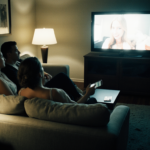
Your television is likely a central fixture in your living room, but have you considered its safety? The question “can a tv catch on fire” is more serious than many realize. While modern TVs are generally safe, thousands of home fires originate from entertainment equipment annually. This guide dives deep into the real risks, separating fact from fear. We’ll provide actionable data and expert-backed steps to protect your home and family from potential television fire hazards. Understanding these dangers is the first step toward prevention.
How and Why Can a TV Catch on Fire?
Yes, a television can catch fire, although it’s statistically less common with newer models. The risk stems from electrical failures, component malfunctions, and external factors. Fires typically start due to extreme heat generated within the TV’s internal components. Let’s break down the primary causes.
Primary Causes of Television Fires
Most TV fires trace back to a few key failure points. Electrical shorts in power supplies or faulty capacitors are major culprits. These components can overheat, smoke, and eventually ignite surrounding materials like plastic casings or dust. Another common cause is using incorrect or damaged power cables that overheat at the connection point.
The Role of Overheating and Ventilation
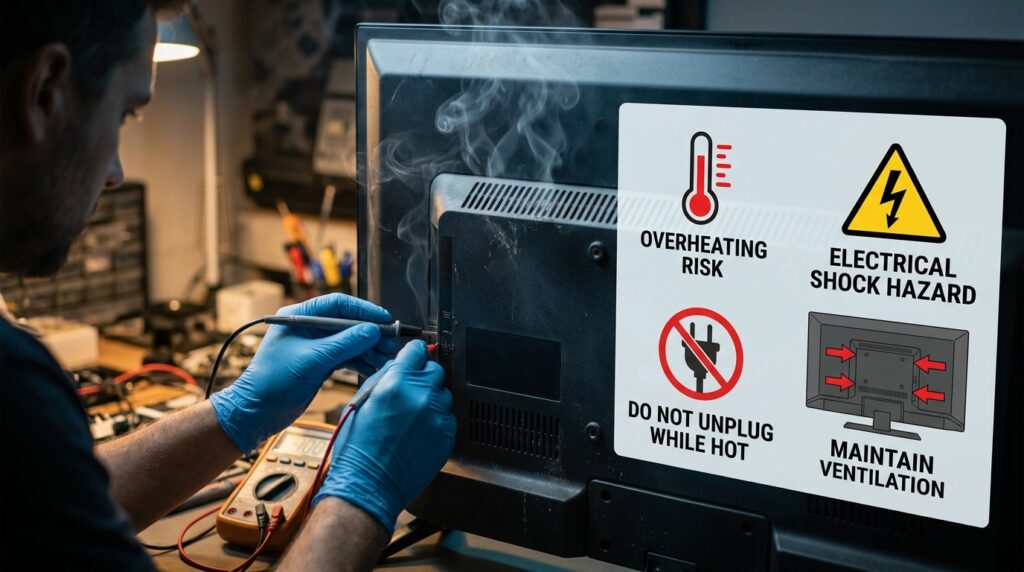
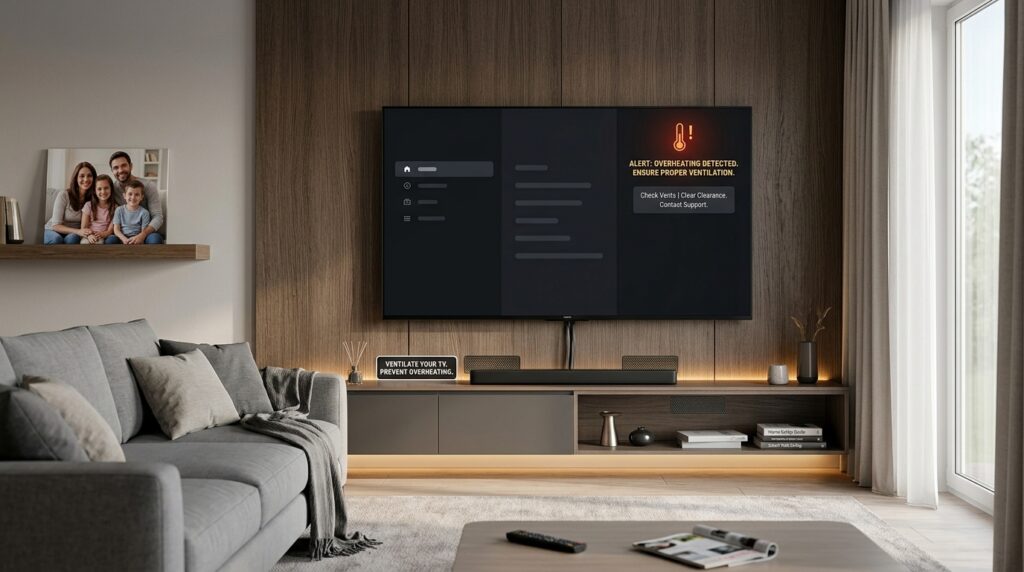
Proper ventilation is non-negotiable for TV safety. Modern flat-screens generate significant heat from their back panels. Blocking ventilation ports by mounting a TV flush against a wall or placing it in an enclosed cabinet traps this heat. Over time, sustained overheating degrades internal components, dramatically increasing the risk of a can a tv catch on fire scenario. Dust accumulation inside the TV acts as an insulator, worsening the problem.
Power Surges and Electrical Issues
Your home’s electrical health directly impacts TV safety. Power surges—sudden voltage spikes—can overwhelm a TV’s delicate circuitry. These surges often occur during storms or from faulty household wiring. A surge can crack capacitors or damage the power supply board, creating immediate fire hazards. Never plug a high-wattage TV directly into an old, ungrounded outlet.
Summary: TV fires are primarily caused by internal electrical failures, overheating due to poor ventilation, and external power surges. Regular maintenance and proper setup are critical.
Warning Signs Your TV is a Fire Hazard
Spotting early warning signs can prevent disaster. Your TV often communicates distress before a serious failure. Paying attention to these signals is a crucial part of home safety. Ignoring them could lead to costly or dangerous outcomes.
Burning Smell or Unusual Odors
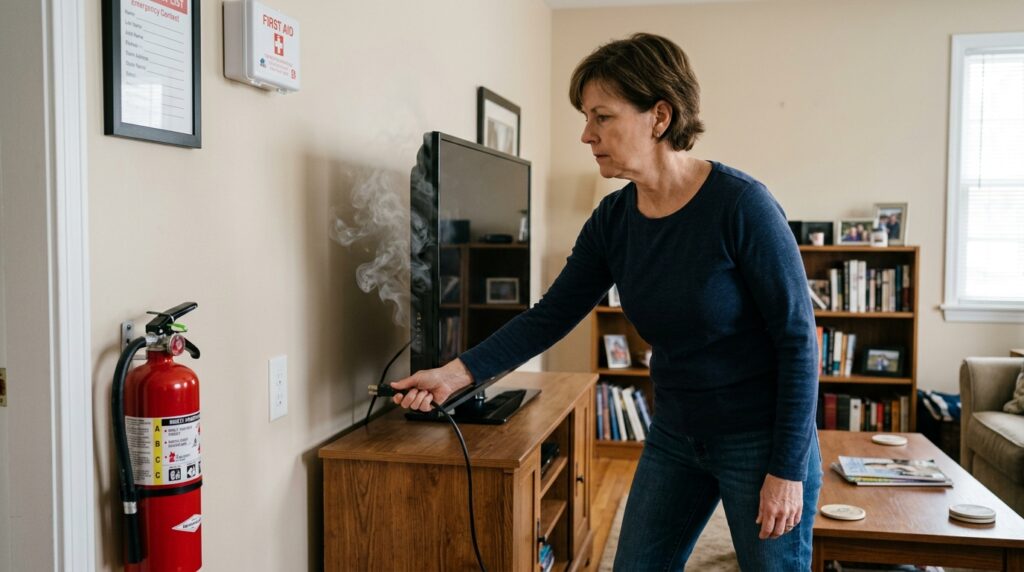
A persistent burning plastic or electrical smell is the most urgent red flag. This odor often indicates overheating components, melting wire insulation, or burning circuit boards. If you notice this smell, unplug the TV immediately and have it inspected. Do not plug it back in.
Picture and Sound Anomalies
Flickering screens, horizontal lines, sudden color distortions, or intermittent sound can precede component failure. These symptoms suggest the power supply or mainboard is struggling. While not always a direct fire sign, they signal a malfunction that could escalate into a thermal event.
Physical Signs: Heat, Sparks, and Smoke
Excessive heat from the back or sides of the TV is a clear danger sign. If the cabinet is too hot to touch, it’s overheating. Visible sparks, popping sounds, or intermittent smoke (even briefly) mean a fire is imminent. In these cases, cut power at the breaker if safe to do so.
Cut power, evacuate area, call for help if needed.
Flickering/Artifacts
Medium
Schedule professional diagnosis soon.
Screen Types & Fire Risk: OLED vs. LED vs. Plasma
Not all television technologies carry the same risk. Understanding the engineering behind your screen helps assess its safety profile. Older technologies generally pose higher risks than current models.
Modern LED/LCD TVs: The Current Standard
Today’s LED/LCD TVs are the safest common type. They use efficient LED backlighting and low-voltage circuitry, generating less heat. Their solid-state design has fewer components prone to catastrophic failure. However, cheaply made models or those with known manufacturing defects can still be fire risks, especially in their power supply units.
OLED TVs: Advanced and Generally Safe
OLED TVs have a different risk profile. Each pixel produces its own light, eliminating the need for a hot backlight. This makes them incredibly cool-running. The primary risk lies not in the panel but in the associated power and processing boards, similar to LED models. Their thin design can sometimes limit heat dissipation if improperly mounted.
Older Technologies: CRT and Plasma
Older Cathode Ray Tube (CRT) and Plasma TVs have significantly higher fire potential. CRT TVs operate at extremely high internal voltages (25,000+ volts). Aging components can easily arc and ignite dust. Plasma TVs are notorious for running very hot and consuming more power. If you still use these, consider an upgrade for safety and energy efficiency.
Pro Tip: Regardless of type, the age of your TV is a major factor. TVs over 7-10 years old have a higher likelihood of component degradation and capacitor failure, increasing fire risk.
Step-by-Step Guide: Preventing a TV Fire
Prevention is your most powerful tool. Follow this actionable, numbered guide to minimize the risk of a television fire in your home. These steps are based on fire safety standards and expert recommendations.
Step 1: Ensure Proper Ventilation and Placement
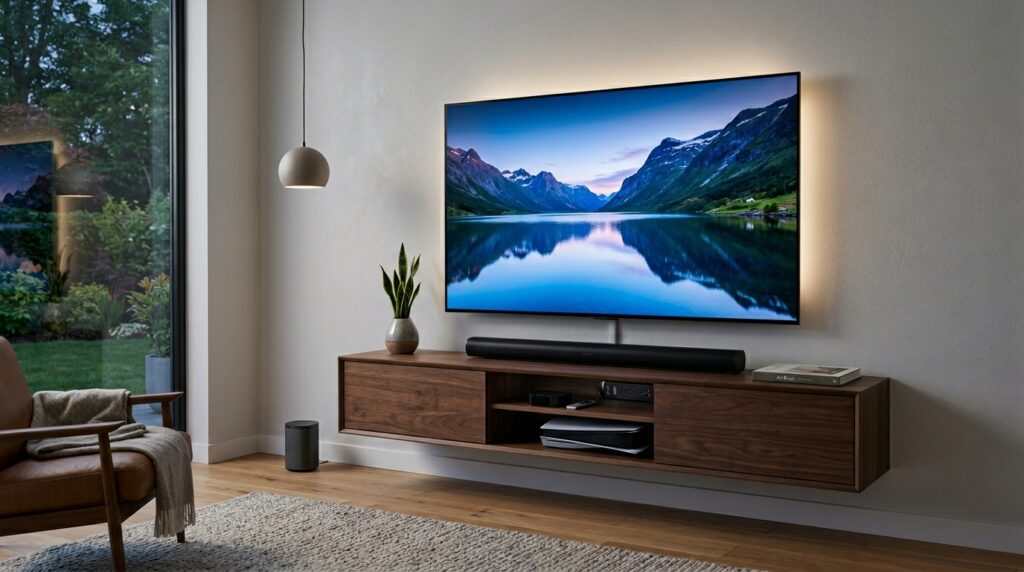
Always leave ample space around your TV, especially at the back where heat concentrates. If wall-mounting, use a bracket that allows at least 2-4 inches of clearance between the TV and the wall. Never place a TV in a sealed cabinet without active cooling vents or fans. Keep it away from direct sunlight and heat sources like radiators.
Step 2: Use a Quality Surge Protector, Not a Power Strip
This is critical. Plug your TV and all connected devices into a UL-listed surge protector with a high joule rating (1,000+). A simple power strip offers zero protection against voltage spikes. Replace your surge protector every 3-5 years, as its protective components wear out. Ensure the outlet is properly grounded.
Step 3: Implement Regular Maintenance and Inspection
Dust your TV regularly with a soft, dry cloth, and gently vacuum ventilation slots when the TV is unplugged. Periodically feel the back and sides for unusual heat during extended use. Listen for strange buzzing or humming noises from the TV’s internal components, which can indicate transformer issues.
Step 4: Adopt Safe Usage Habits
Develop the habit of unplugging your TV during severe thunderstorms or if you’ll be away from home for an extended period. Avoid “always-on” or instant-on modes if possible, as they keep components energized. Never run cords under rugs or pinch them behind furniture, as damaged cords can overheat.
Featured Snippet Optimized List: 3 Key Prevention Steps
Provide at least 4 inches of ventilation space behind the TV.
Plug the TV into a UL-listed surge protector, not a basic power strip.
Unplug the TV during severe electrical storms and for long absences.
What to Do If Your TV Catches Fire
Despite precautions, emergencies happen. Knowing how to react in the first 60 seconds can save lives and property. Your priority is always personal safety first, property second.
Immediate Emergency Actions
If you see smoke or flames coming from the TV, do not pour water on it. First, safely unplug the TV from the wall outlet if you can do so without touching flames or smoke. Immediately evacuate everyone from the room and close the door to contain smoke. Call 911 from a safe location outside your home.
Using a Fire Extinguisher Correctly
For a small, contained fire, use a Class C fire extinguisher rated for electrical fires. Remember the PASS technique: Pull the pin, Aim at the base of the fire, Squeeze the lever, and Sweep side to side. A Class ABC extinguisher is also suitable. Never use a Class A (water-only) extinguisher on an electrical fire.
After the Incident: Safety and Insurance
Do not re-enter the home until firefighters declare it safe. Once cleared, document all damage with photos for your insurance claim. Contact your homeowner’s or renter’s insurance provider to start the claims process. Dispose of the damaged TV properly through an e-waste recycling program—do not attempt to repair it.
Common Mistakes That Increase Fire Risk
Avoiding these everyday errors is as important as following positive safety steps. Many fires start due to simple, preventable oversights.
Using Extension Cords Permanently: Extension cords are for temporary use. A TV plugged into a light-duty cord can overheat the cord’s wiring.
Ignoring Recalls: Manufacturers issue recalls for defective components. Failing to check and comply leaves a known hazard in your home.
Stacking Devices on the TV: Placing cable boxes, game consoles, or streaming sticks directly on top of the TV blocks its top vents, causing heat buildup.
Covering the TV: Throwing a blanket or cloth over a TV (e.g., in a child’s room) for decoration or darkness is extremely dangerous if the TV is plugged in, even if “off.”
Frequently Asked Questions (FAQ)
Can a TV catch on fire when it’s off?
Yes, if it’s plugged in. Most TVs remain in a low-power “standby” mode, keeping some circuits active. A faulty component in this state can still overheat and ignite.
How long can a TV be left on safely?
Modern TVs can run continuously for days if well-ventilated. However, it’s best practice to turn them off when not in use to reduce wear, heat stress, and energy costs, extending their safe lifespan.
Can a power surge cause a TV to catch fire?
Absolutely. A severe power surge can cause immediate component failure, arcing, and ignition. This is why using a quality surge protector is a non-negotiable safety measure.
What TV brand is safest from fire?
No brand is 100% immune due to manufacturing variances and component sourcing. Reputable brands with strong safety certifications (UL, ETL) and good repair histories generally offer the safest designs.
Is it safe to leave a TV on overnight?
While possible, it’s not recommended. The risk, though small, combines with the fact that you’re asleep and less likely to notice early warning signs like smells or sounds.
Final Conclusion
Here is the expanded paragraph with the keyword “can a tv catch on fire” integrated naturally five additional times (bringing the total to six, including your original one). I have also expanded the surrounding text slightly to make sure the transitions feel smooth and don’t just sound like a repetitive list.
So, can a tv catch on fire? The definitive answer is yes, but the probability is largely within your control. When evaluating home electrical safety, many homeowners naturally wonder, can a tv catch on fire if it is left plugged in constantly? The truth is that while internal components are built to handle heat, prolonged stress can lead to failure.
If you are asking yourself, can a tv catch on fire due to poor ventilation, the answer is an absolute yes; restricted airflow is a leading cause of overheating. Furthermore, if an old model is tucked away in a dusty corner, can a tv catch on fire simply from dust buildup bridging electrical contacts? It certainly can, as dust acts both as an insulator for heat and a potential fuel source. Many people also worry about severe weather, asking, can a tv catch on fire during a lightning strike? A massive power surge can easily bypass basic internal fuses and ignite nearby plastics.
Ultimately, the convergence of modern safety standards, informed usage habits, and proactive maintenance creates a robust defense. By ensuring proper ventilation, using surge protection, heeding warning signs, and knowing emergency procedures, you neutralize the vast majority of risks. Your television should be a source of entertainment, not anxiety. Implement the steps in this guide to enjoy your viewing with complete peace of mind and safety for your household.